



Call for Nominations – Landslide 2026: Erasing American History – Report to Highlight Nationally Significant Threatened Cultural Landscapes
Help identify cultural landscapes at-risk of erasure—deadline for submissions is June 12, 2026.



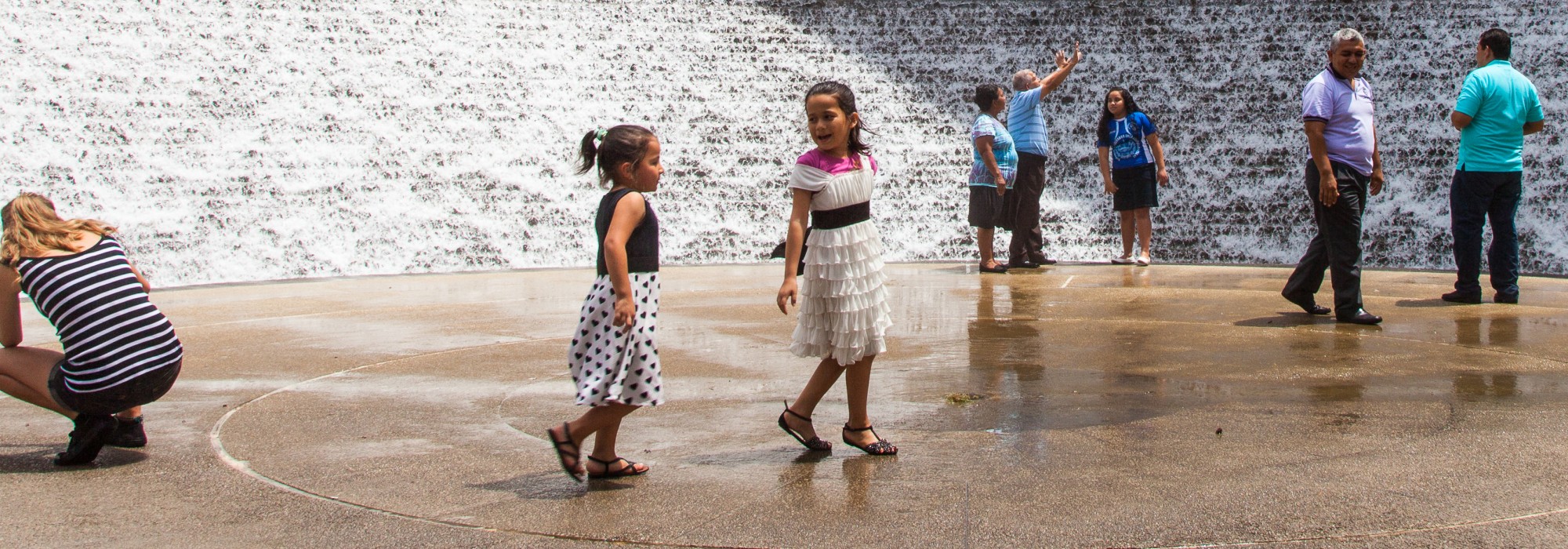
The Cultural Landscape Foundation (TCLF)
connects people to places. TCLF educates and engages the public to make our shared landscape heritage more visible, identify its value, and empower its stewards.
Find Landscapes in your area


Oberlander Prize
The biennial Cornelia Hahn Oberlander International Landscape Architecture Prize includes a $100,000 award and two years of public engagement activities.

PLACES: What's Out There
This searchable database raises public awareness of the rich diversity and interconnectedness of our shared landscape heritage.

Check Out The What’s Out There San Francisco Bay Area Guide
The What's Out There San Francisco Bay Area Guide reveals the landscape legacy of this unique city.
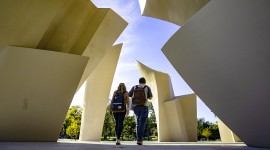
Case Western Reserve University
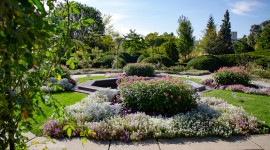
Cleveland Botanical Garden
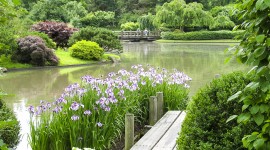
Missouri Botanical Garden - Japanese Garden
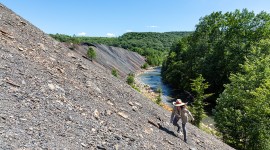
Vintondale Reclamation Park
STEWARDSHIP: Landslide
The goal of Landslide is to draw immediate and lasting attention to threatened landscapes and unique features, and to encourage informed, community-based stewardship decisions.

AT RISK: White House Grounds
The proposed 90,000-square-foot ballroom would dwarf the 55,000-square-foot Executive Mansion and fundamentally alter the dignity and harmony of the historic Frederick Law Olmsted, Jr.-designed landscape.
Recent Updates

at-risk
John F. Kennedy Center for the Performing Arts
TCLF and seven other organizations sued the Trump Administration seeking to prevent changes to the nationally significant cultural institution and living memorial to the 35th U.S. President

at-risk
East Potomac Park
This historic Washington, D.C., park and golf course, recently a dumping ground for 2,000 truckloads of debris from the White House East Wing, is threatened by a wholesale redesign.
EVENTS: Lectures, Exhibitions, Tours
TCLF hosts events across the United States including excursions, dialogues, and tours that highlight the nation's rich and diverse landscape heritage.

WATCH: Soak it Up Los Angeles
Register now to view the richly edited videos of the dynamic presentations at Soak It Up, the recent daylong conference about urban water management featuring international leaders in landscape architecture. For one month only—April 1–30—watch the conference videos on PlayCore’s CORE Professional Development Hub and get free LA CES credits. This offer is only available through PlayCore.


Examples: Landscape name, designer, stytle, location, etc
Advanced SearchPEOPLE: Designers & Stewards
Pioneers of American Landscape Design chronicles the lives and careers of those who have designed our gardens, parks, streets, campuses, cemeteries, suburbs, and the innumerable other environments in which we live.

Julie Bargmann Oral History
The extraordinary life and career of landscape architect Julie Bargmann is the subject of this oral history in the award-winning Pioneers of American Landscape Design® Oral History Project.


Examples: “Dan Kiley” or “Modernist”
Advanced Search