Landscape Information
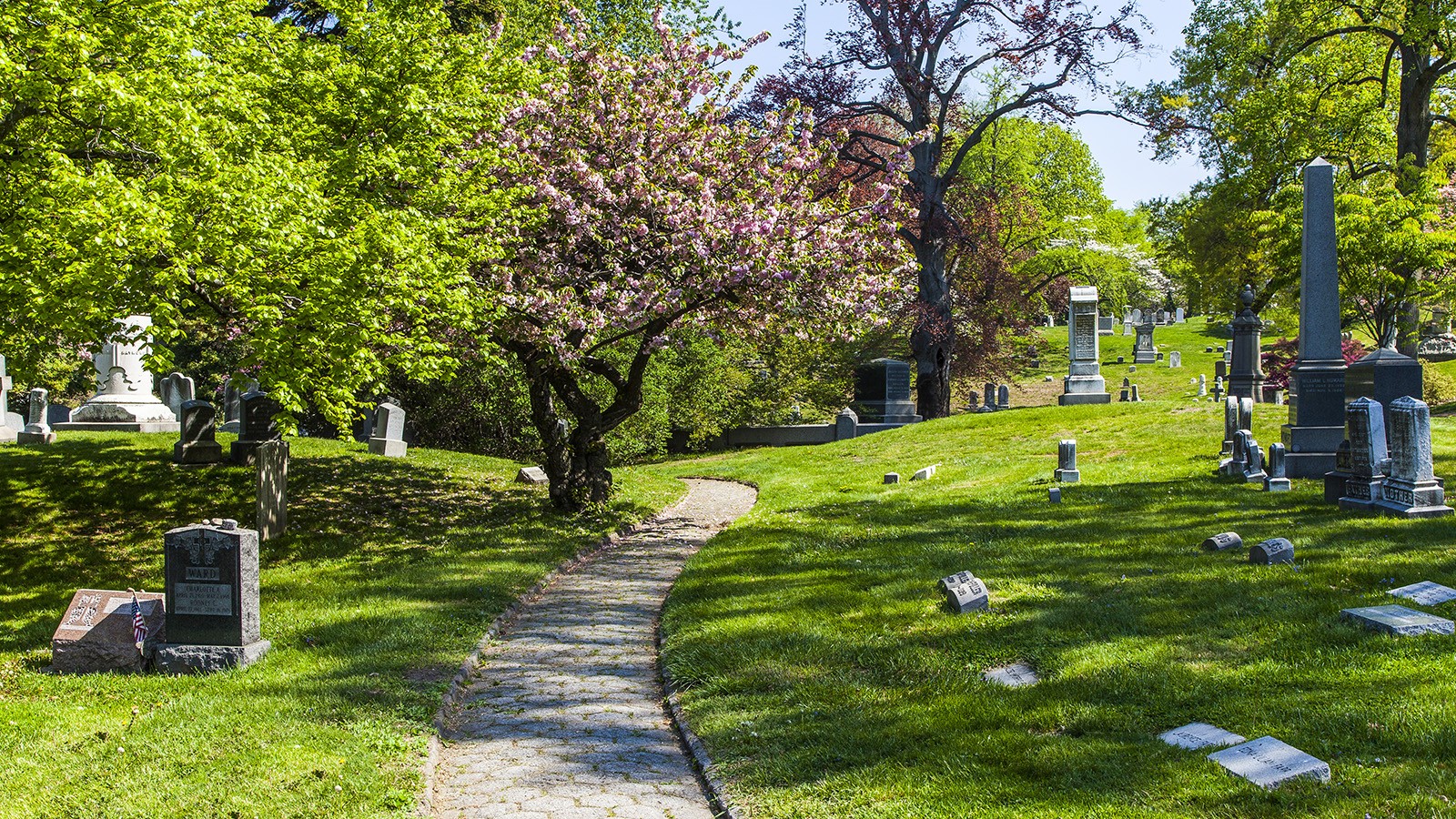
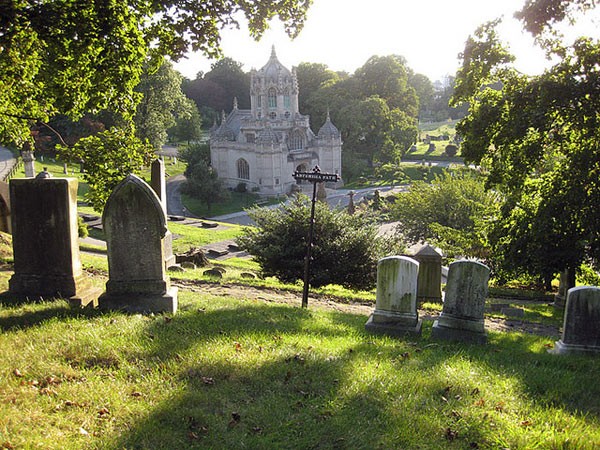
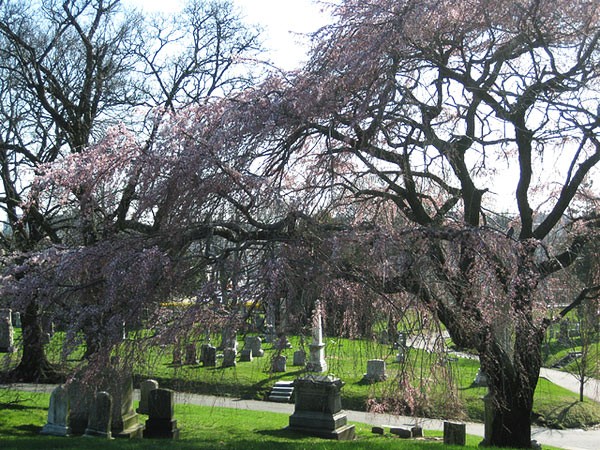
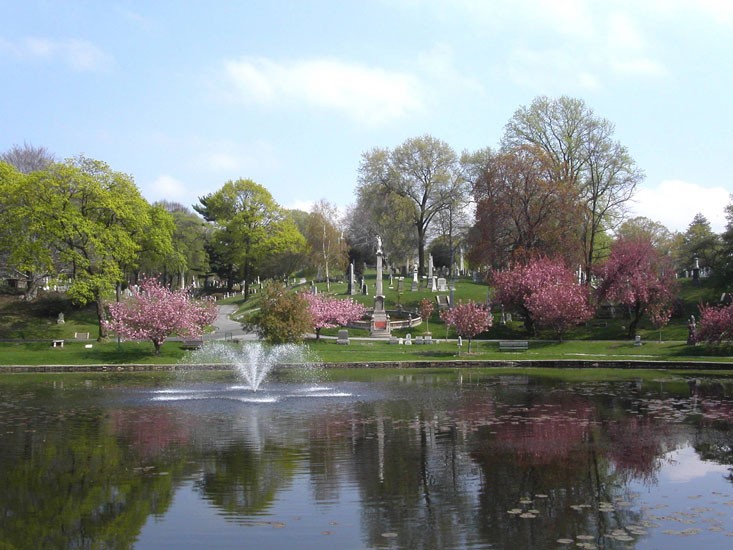
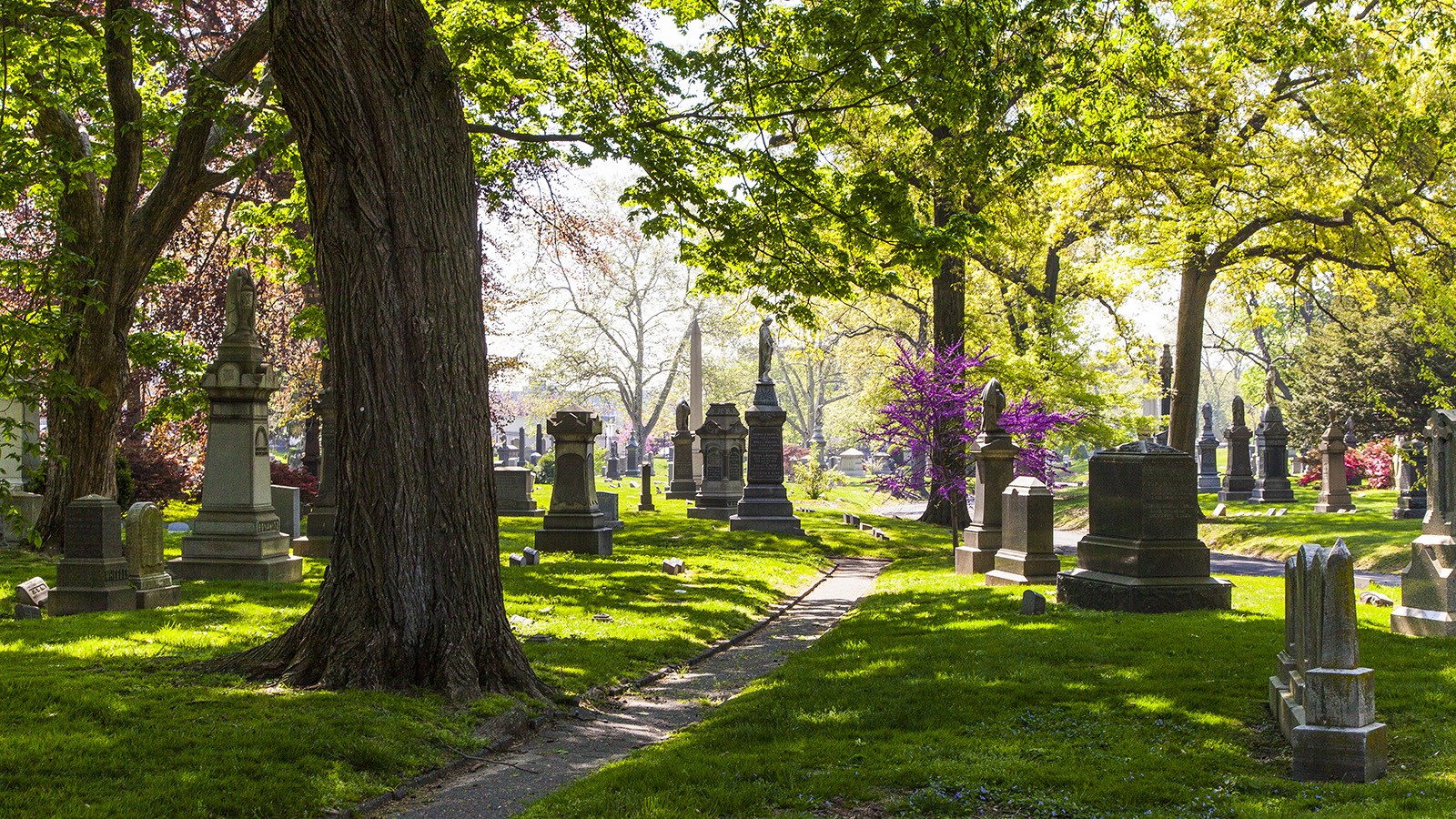
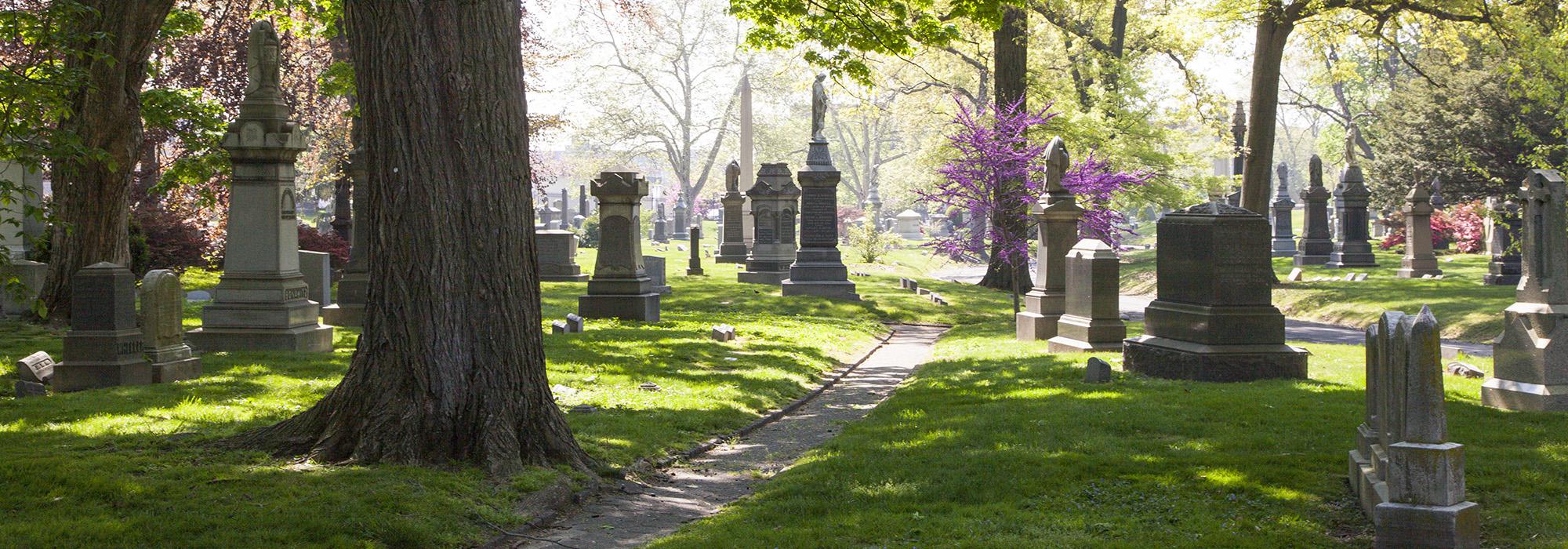
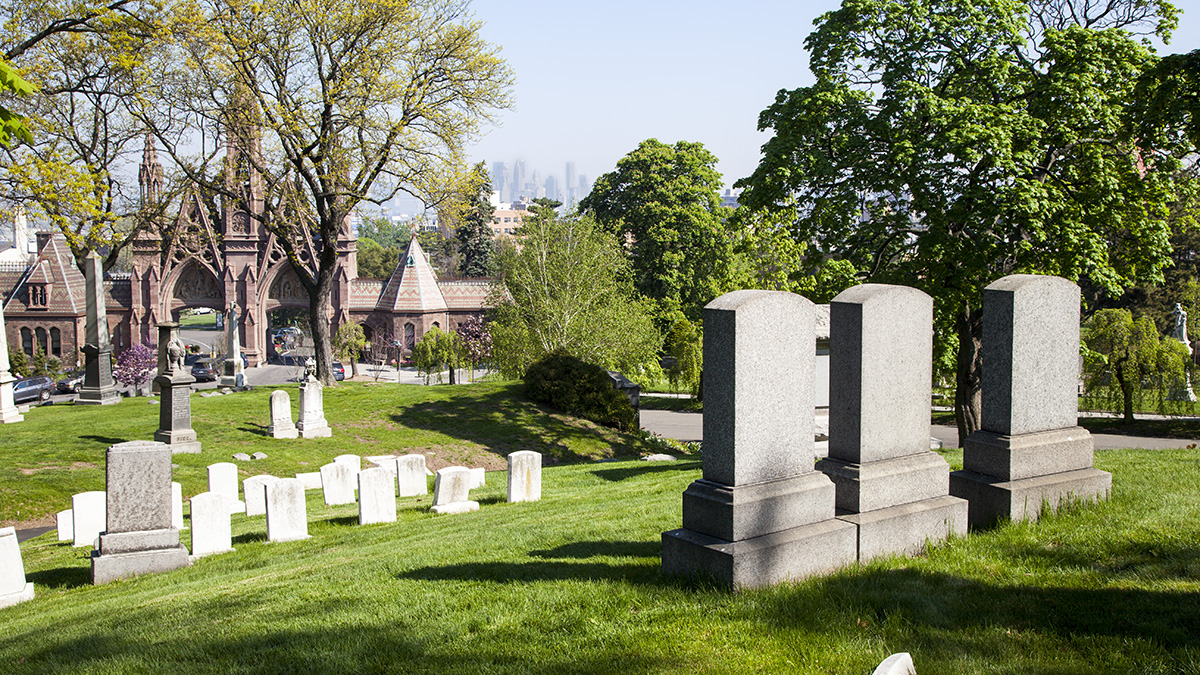
In 1833 urban planner Henry Evelyn Pierrepont surveyed the Gowanus Heights with engineer David Bates Douglass and selected 178 acres of farmland for the establishment of a rural cemetery. Following the burial ground’s incorporation Douglass created a Picturesque plan in 1838, which was adhered to and elaborated upon by the cemetery’s first superintendent, Almerin Hotchkiss. Through the 1840s, Hotchkiss and Zebedee Cook emphasized the site’s glacial moraine-derived hills, valleys, and ponds by integrating sinuous drives and paths into the landscape. They preserved native vegetation augmented with groves of trees, and added over 200 acres to the property. Hotchkiss’ design also called attention to the site’s sweeping vistas of the New York Harbor and Manhattan skyline to the west. By the 1850s, Green-Wood acted as a public park and a necropolis for New York’s elite, as well as a tourist destination following Andrew Jackson Downing’s acclaim that it was “the largest and unquestionably the finest” of its kind in the country. Throughout the 19th and 20th centuries, Green-Wood’s landscape was ameliorated with ornate statuary and mausolea. Richard Upjohn designed the Gothic Revival entrance gate in 1861, and the chapel, design by Warren and Wetmore, was completed in 1911. In 1920, the Altar to Liberty – Minerva statue, designed by Frederick Ruckstull, was erected on Battle Hill in recognition of the hilltop’s Revolutionary War importance.
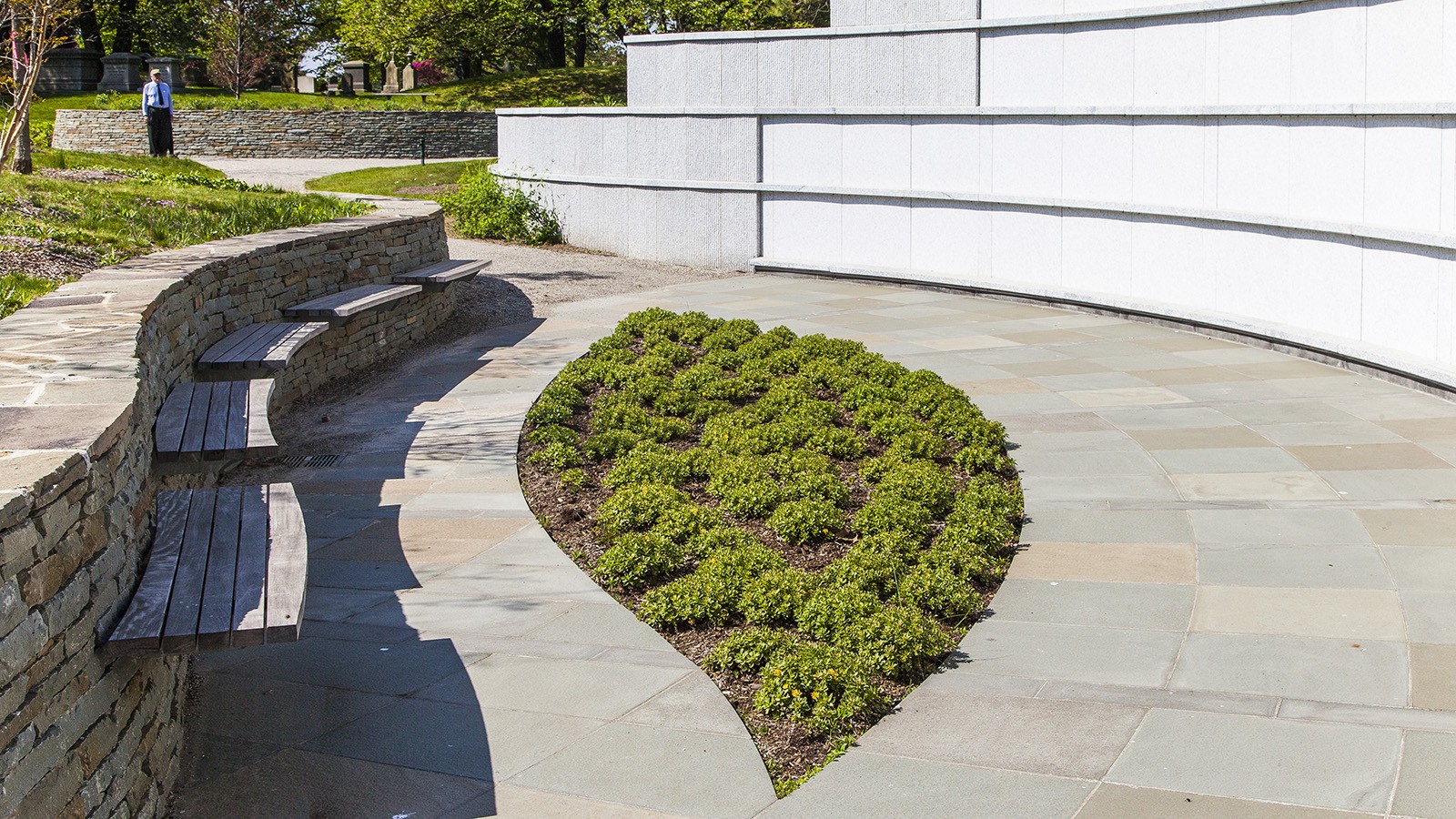
In 2000 Quennell Rothschild & Partners was commissioned to develop a master plan for the cemetery, which now encompasses 478 acres southwest of Prospect Park. The Green-Wood Cemetery was designated a National Historic Landmark in 2006.