Landscape Information
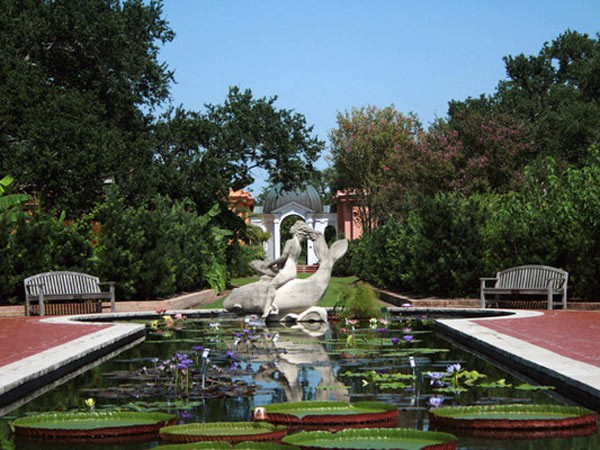
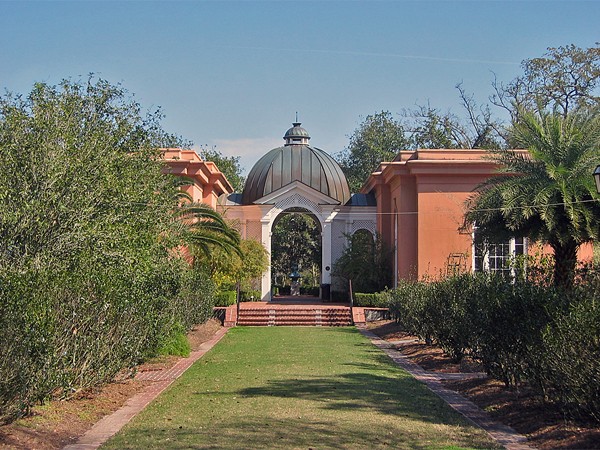
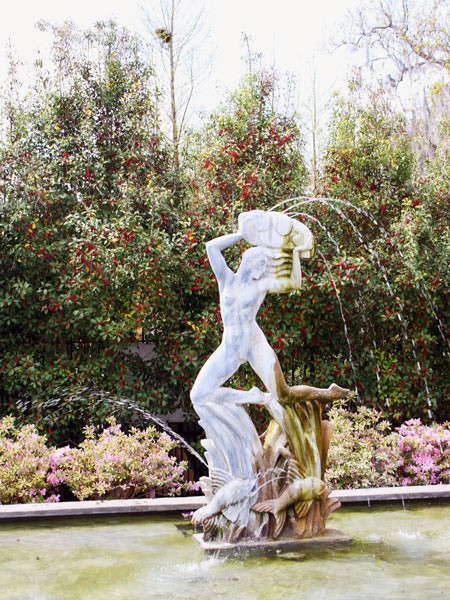
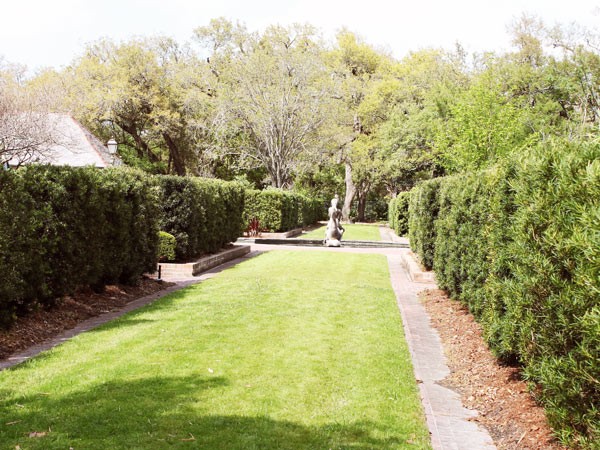
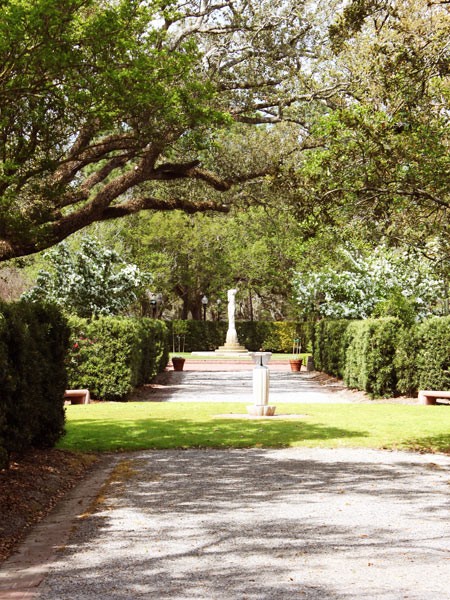
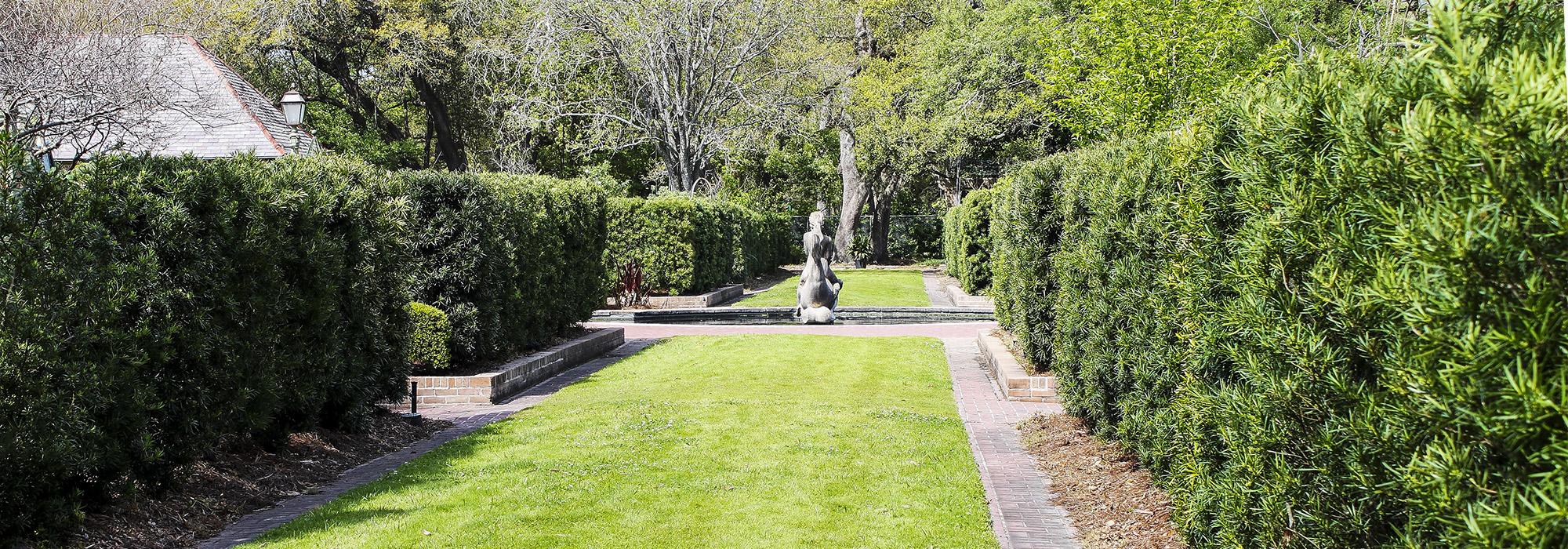
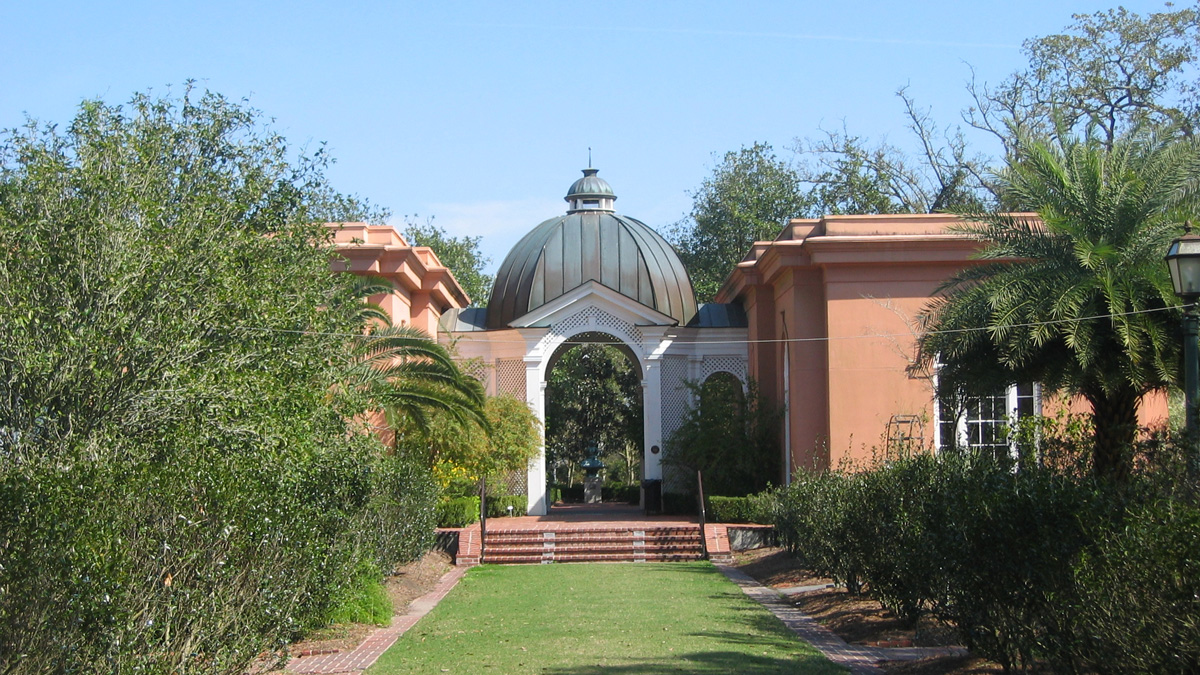
Opened in 1936 and sited on seven acres in City Park within a large stand of live oaks, the botanical garden was part of the park’s development under the Works Progress Administration (WPA). The classical garden’s irregularly-shaped site was designed by William Wiedorn, with architect Richard Koch and Art Deco artist Enrique Alferez, and includes the Conservatory, the Pavilion of the Two Sisters, a reflecting pool, a rose garden, and four large garden rooms. Each room is centered on a mature live oak and is planted with distinctive collections of plants. The rooms are divided along a central grass runway anchored by the Conservatory at one end and the Pavilion of the Two Sisters at the other. Two large rose arbors and a yaupon holly hedge enclose the Parterre Rose Garden, which is filled with rose beds divided by brick paths that intersect at a small round fountain. The garden remains a rare example of Art Deco and WPA-era public garden design.
In the early 1980s the garden was renamed the New Orleans Botanical Garden, with a focus on diversifying the horticultural collections. A 1990 master plan by Jon Emerson and Associates guided the expansion of the garden to twelve acres to accommodate the new Pavilion of the Two Sisters, and to increase plant collections including an azalea and camellia garden, a Japanese garden, and a historic train garden. In 2005, Hurricane Katrina put the garden under four feet of water, destroying all plant life except the live oaks. The garden was almost immediately rehabilitated, becoming a symbol of recovery for the city.