Landscape Information
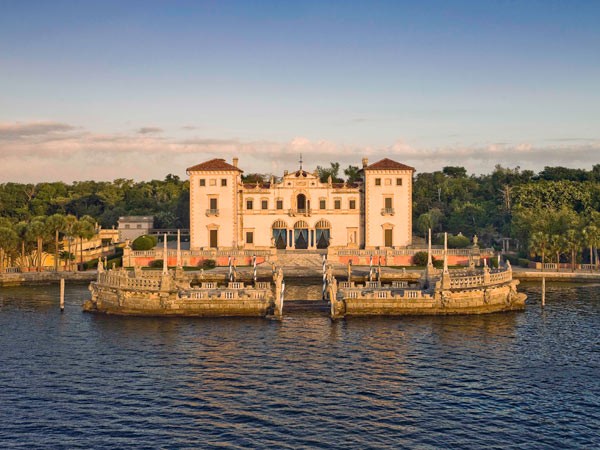
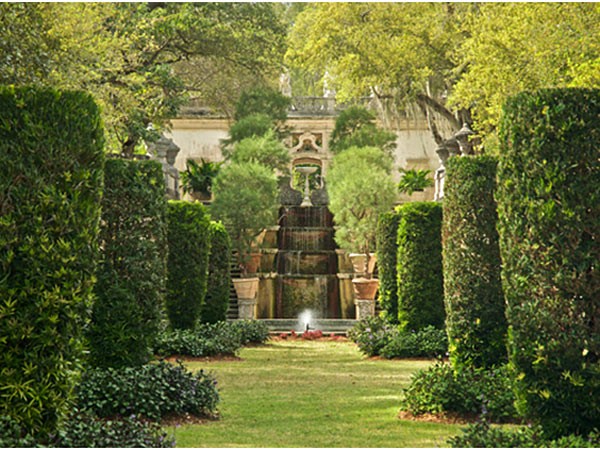
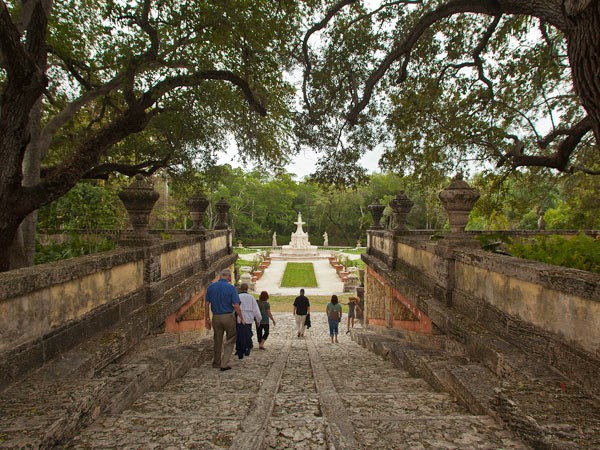
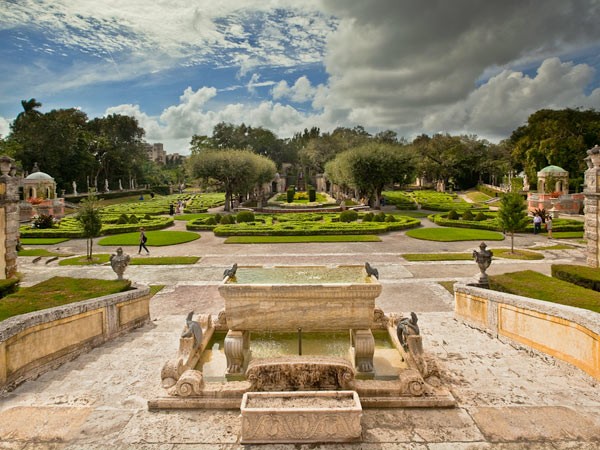
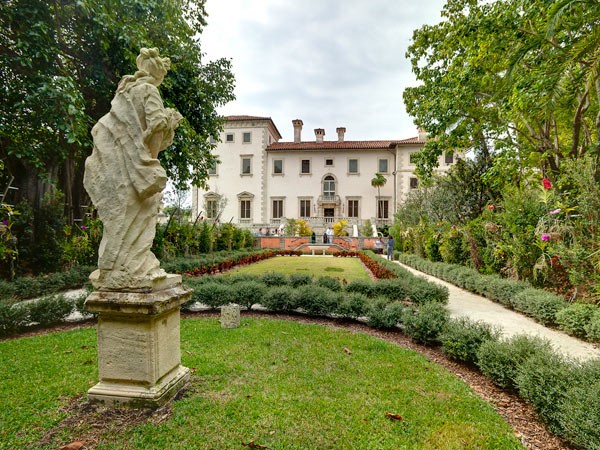
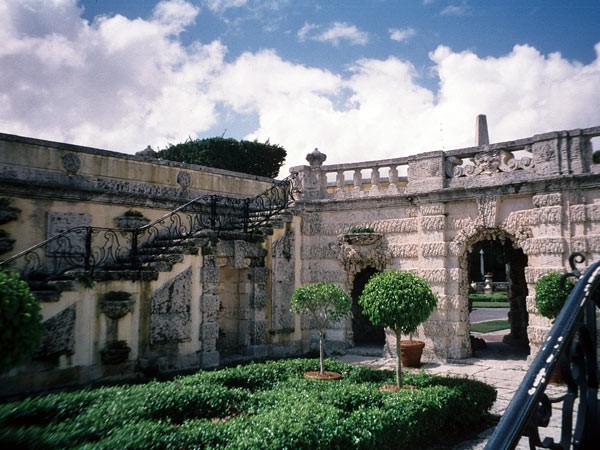
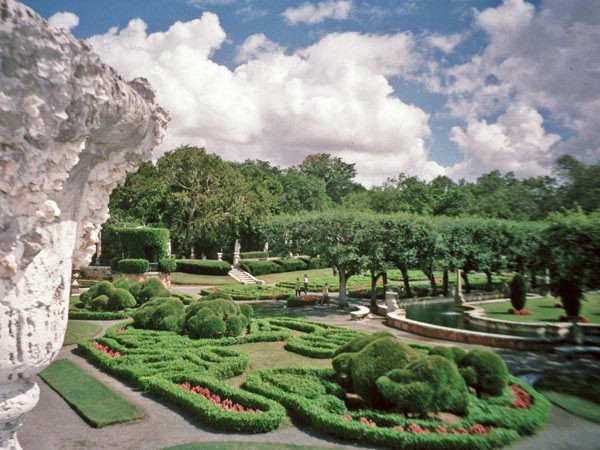
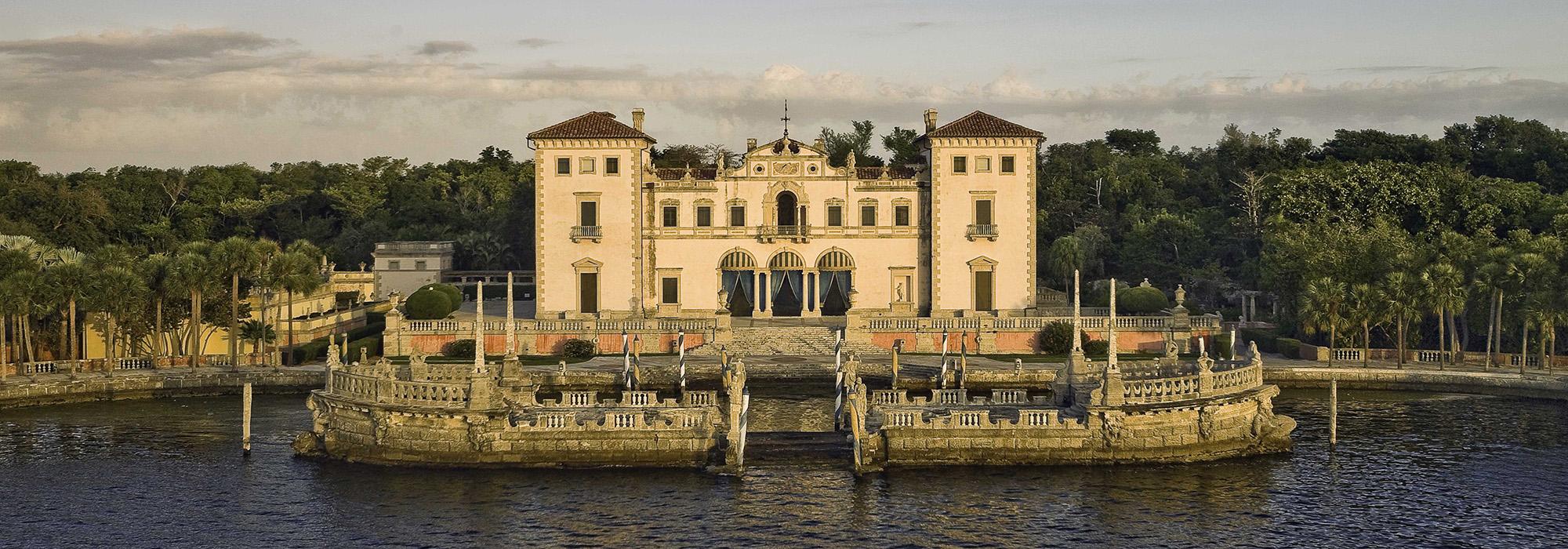
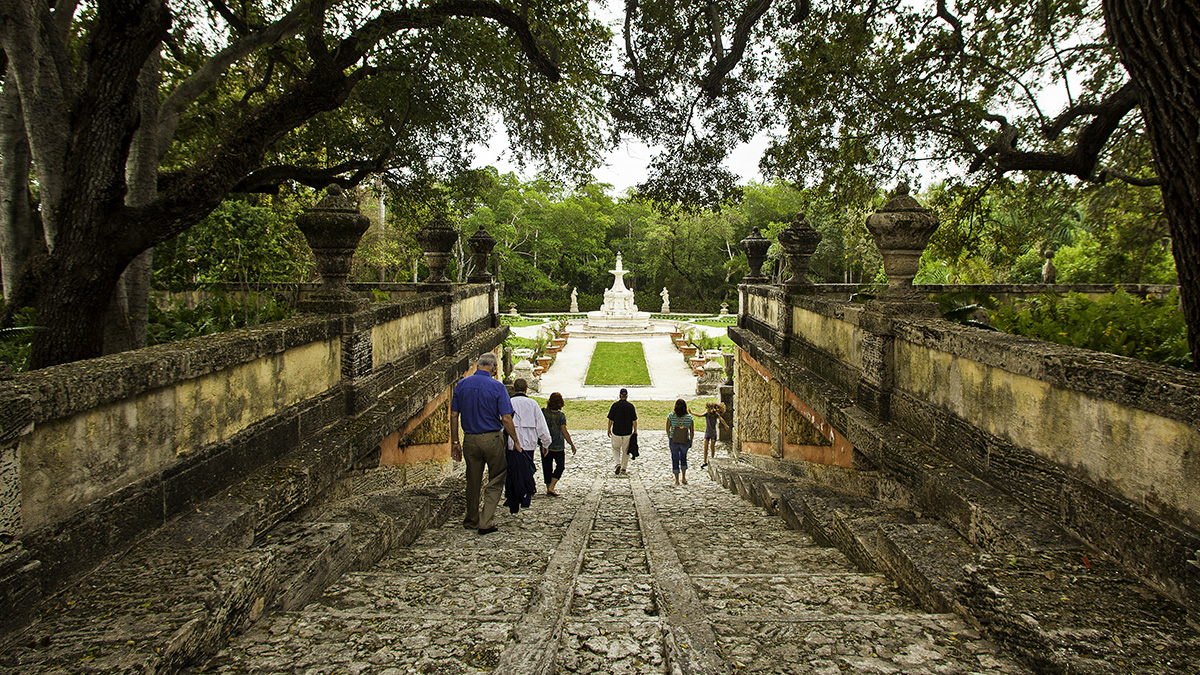
The ten-acre gardens at this private estate were designed for James Deering by Colombian-born landscape architect Diego Suarez, who worked on the project between 1914 and 1917. Suarez, who had studied at Villa la Pietra outside Florence, Italy, adapted classical European Renaissance and Baroque landscape design to Miami’s subtropical climate and terrain, using native soil and plant materials in an aesthetic arrangement that evokes sixteenth- and seventeenth-century Italian and French gardens. From 1910 to 1916 the property’s original artistic advisor, Paul Chalfin, engaged his penchant for creating intensively detailed decorative elements by integrating into the lush vegetation and flamboyant architecture a collection of outdoor sculpture that showcased extraordinary objects ranging from a second-century Roman altar to twentieth-century works commissioned for Vizcaya.
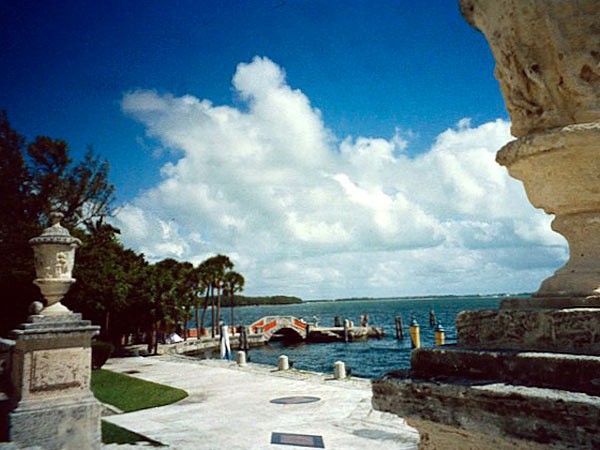
The gardens, inspired by those Chalfin and Deering saw in Italy and France, are among the best examples of Italianate gardens in the United States and are unmatched in the northern hemisphere for their grandeur and carefully studied historical authenticity. Besides the gardens, the remaining acreage consists of two critically endangered forest ecosystems, and as the working heart of the estate, a “village” that includes livestock and greenhouse facilities, mechanical shops, and staff housing. The property was designated a National Historic Landmark in 1994.