


AT-RISK
Each site in this section is threatened and at-risk due to deferred maintenance and/or neglect, or for substantial alteration or outright destruction. Below are richly illustrated, online features that include a history of each site, the nature of the threat, and critical information for learning more and getting involved.
-
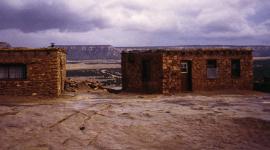
Acoma Pueblo
Acoma, NM -
Agate Bay
Two Harbors, MN -
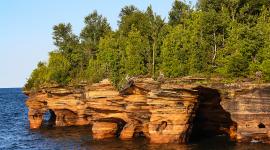
Apostle Islands National Lakeshore
Bayfield, WI -
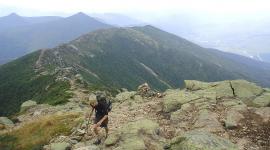
Appalachian Trail
Harpers Ferry, WV -
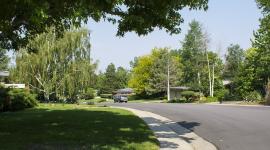
Arapahoe Acres
Englewood, CO -
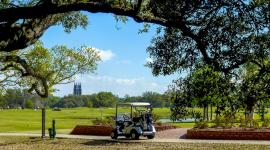
Audubon Park
New Orleans, LA -
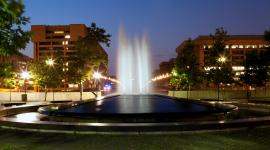
Banneker Park - Tenth Street Overlook
Washington, DC -
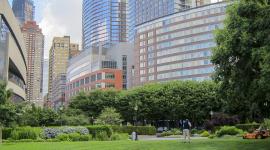
Battery Park City
New York, NY -
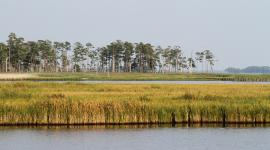
Blackwater National Wildlife Refuge
Cambridge, MD -

Blair Mountain Battlefield
Blair, WV -
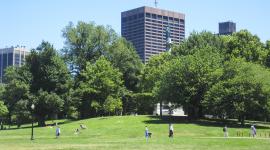
Boston Common
Boston, MA -
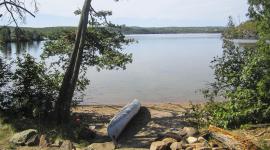
Boundary Waters Canoe Area Wilderness
Grand Marais, MN -
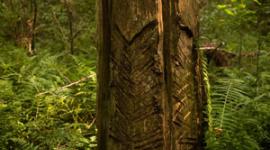
Boxed Pines of Weymouth
Southern Pines, NC -

Branch Brook Park
Newark, NJ -

Bronx Community College
New York, NY -
Brookview
Fort Wayne, IN