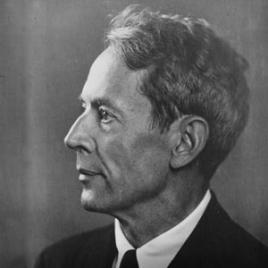
Pioneer Information
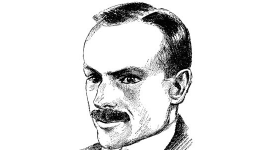
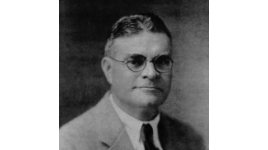
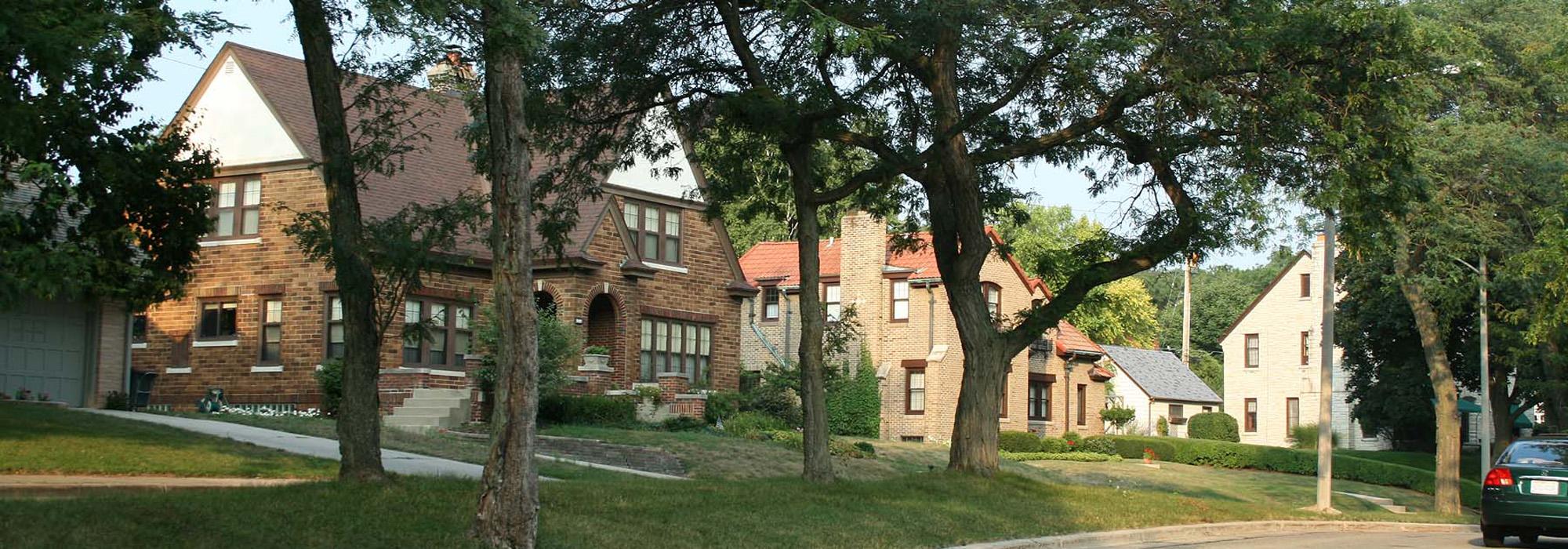
Born in Hudson, Ohio, as a teen Peets worked for landscape architect and nurseryman H. U. Horvath before attending Western Reserve University (now Case Western Reserve University). He graduated in 1912 and subsequently pursued graduate study at Harvard University. There he taught horticulture classes and published Practical Tree Repair (1913), before earning an MLA two years later. Peets then worked for Pray, Hubbard and White in Boston before opening an office in 1916 with German planner Werner Hegemann in Milwaukee. Together, in 1916 they prepared such major plans as Washington Highlands, Wauwatosa, and the company town of Kohler (now Village of Kohler; although their plans were overwritten in the 1920s by an Olmsted Brothers proposal), both in Wisconsin in 1916. After serving as a civilian planning engineer for the U.S. Army during World War I (1917–1918), Peets continued working with Hegemann, notably on Wyomissing Park (1919, unrealized) in Reading, Pennsylvania.
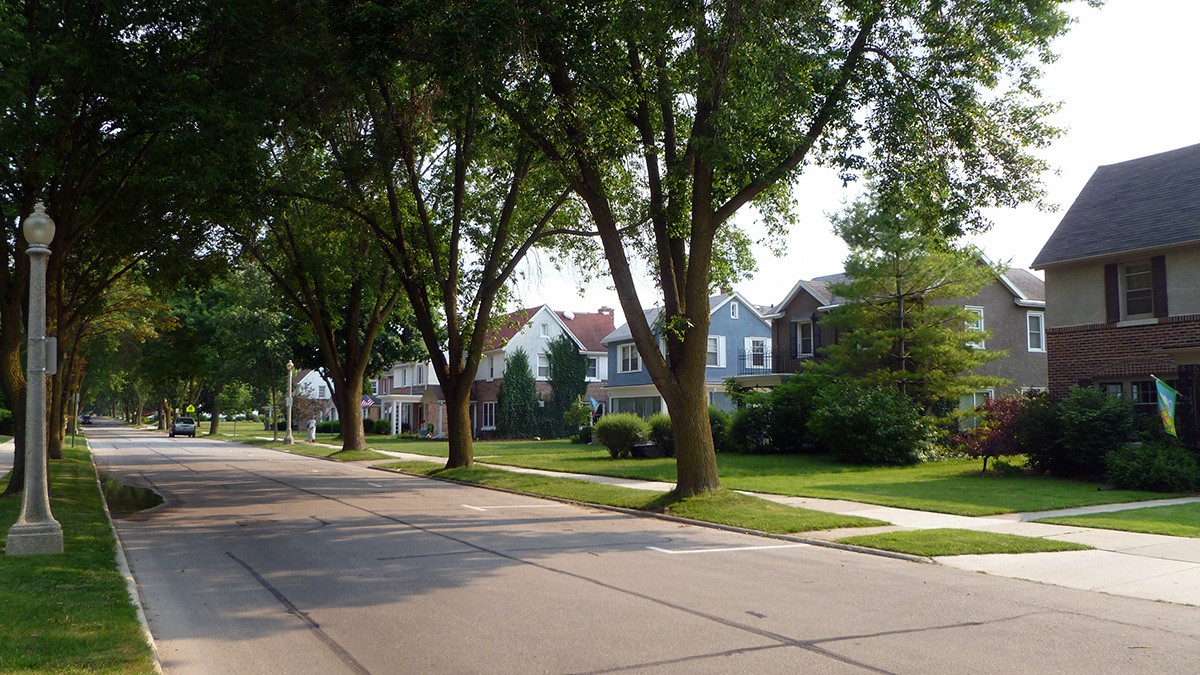
Peets spent a formative year in 1920 studying European cities, enabled by the Charles Eliot Travelling Fellowship (awarded in 1917 by Harvard University), before writing with Hegemann the landmark treatise, The American Vitruvius: An Architect’s Handbook of Civic Art (1922). Peets returned to Cleveland in 1921, founding a private planning practice and producing incisive essays—some with journalist H. L. Mencken—which made him a nationally recognized critic in landscape architecture and city planning. In 1933 he joined the New Deal’s U.S. Farm Resettlement Administration and supervised the planning and landscape design of Greendale (1938), Wisconsin, a model greenbelt town that blended European precedents, garden city ideals, and American small-town traditions. From 1938 to 1944 he served as chief of the Site Planning section of the U.S. Housing Authority. He later returned to private practice, designing one of the first major post-World War II planned suburbs—Park Forest (1946), Illinois—as well as teaching and serving on the U.S. Commission of Fine Arts (1950s).
Peets passed away at the age of 81 in Cleveland.