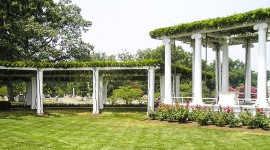
Amphitheater
An outdoor theater with a semi-circular, fan-shaped, or elongated auditorium facing a grass, masonry, or wooden stage. The historic amphitheater took its name from the Greek amphi, referring to the seating “around” or “on both sides” of a performance space. It was oval-shaped with steep tiers of seats surrounding a flat event space, as found at the Coliseum in Rome. Ranging from small community facilities to large concert venues serving over 20,000, outdoor theaters gained popularity in the U.S. at the turn of the twentieth century as a response to the commercialism of interior theaters. After World War II, the goal of building outdoor theaters to maximize contact with nature shifted to outdoor theaters as an economical alternative to indoor theaters. Their design may include stationary seats, turf terraces and/or a sloped lawn.
-
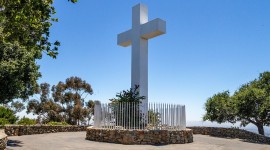
Mount Helix Park
La Mesa, CA -
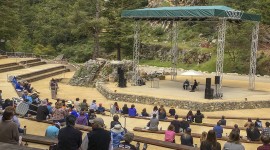
Quarry Amphitheatre
Santa Cruz, CA -
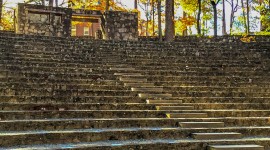
Forest Theatre
Chapel Hill, NC -
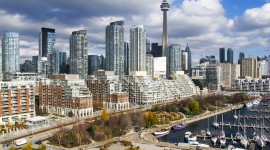
Toronto Music Garden
Toronto, ON -
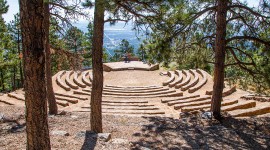
Sunrise Circle Amphitheater
Boulder, CO -
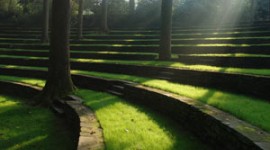
Scott Outdoor Amphitheater
Swarthmore, PA -
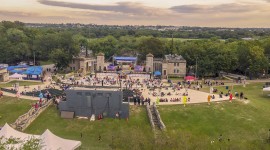
Brackenridge Park Sunken Garden Theater
San Antonio, TX -
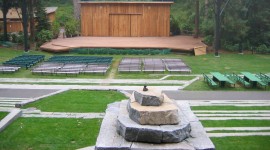
Sigmund Stern Grove
San Francisco, CA -
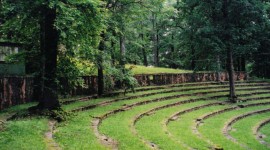
Avondale Park Garden Theatre
Birmingham, AL -
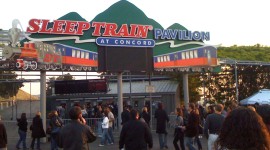
Sleep Train Pavilion
Concord, CA -
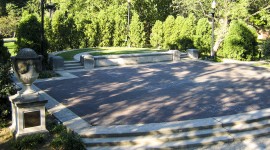
Browning Amphitheater
Columbus, OH -
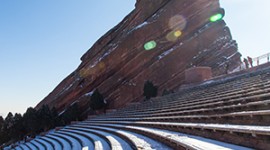
Red Rocks Amphitheatre
Morrison, CO -
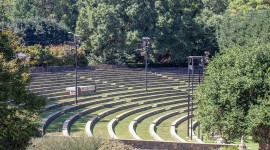
The Raleigh Rose Garden – Raleigh Little Theatre
Raleigh, NC -
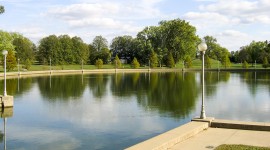
Mill Race Park Theater
Columbus, IN -

Mt. Tamalpais Mountain Theater
Mill Valley, CA